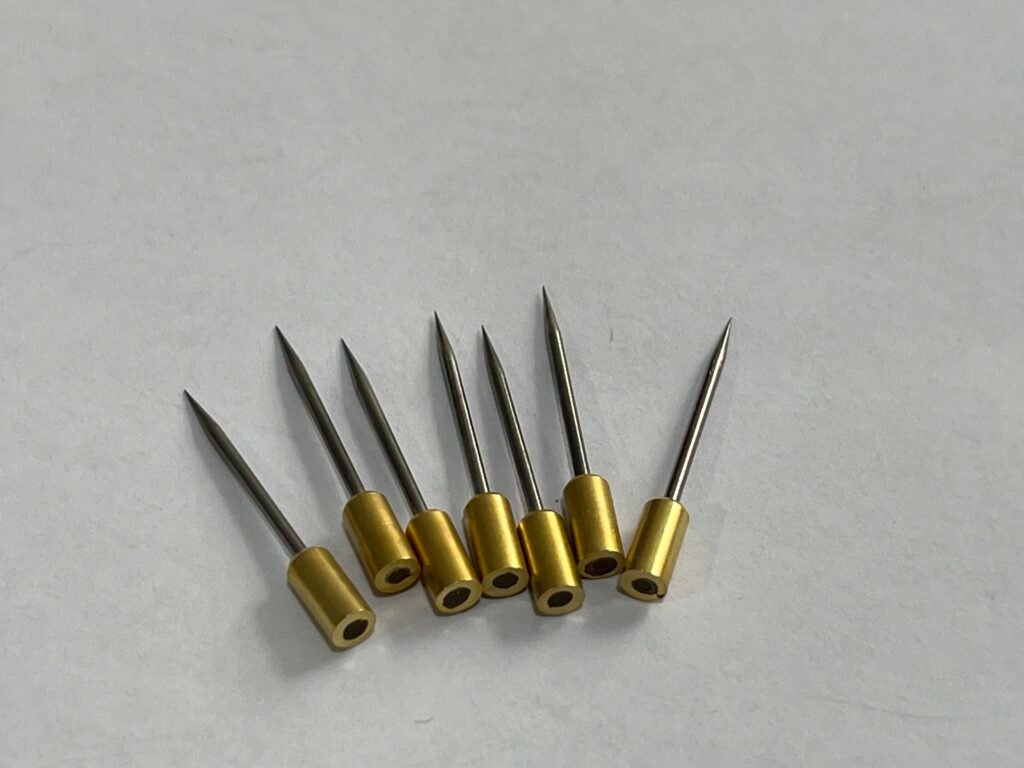
The ionizer inside an ion fan generates a large number of positive and negative ions through discharge at high voltage. The fan blows these ions out, forming an ionized airflow. When the surface of an object carries a positive charge, the negative ions in the airflow are attracted to it and neutralize the charge. The discharge needle plays an important role in this process.
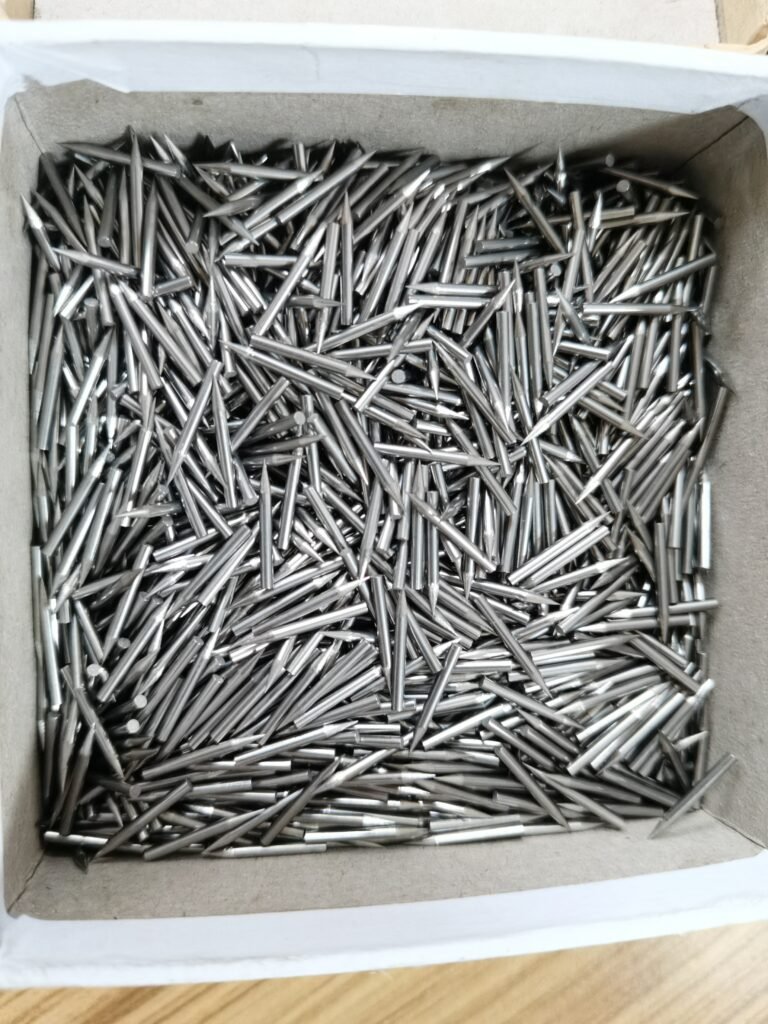
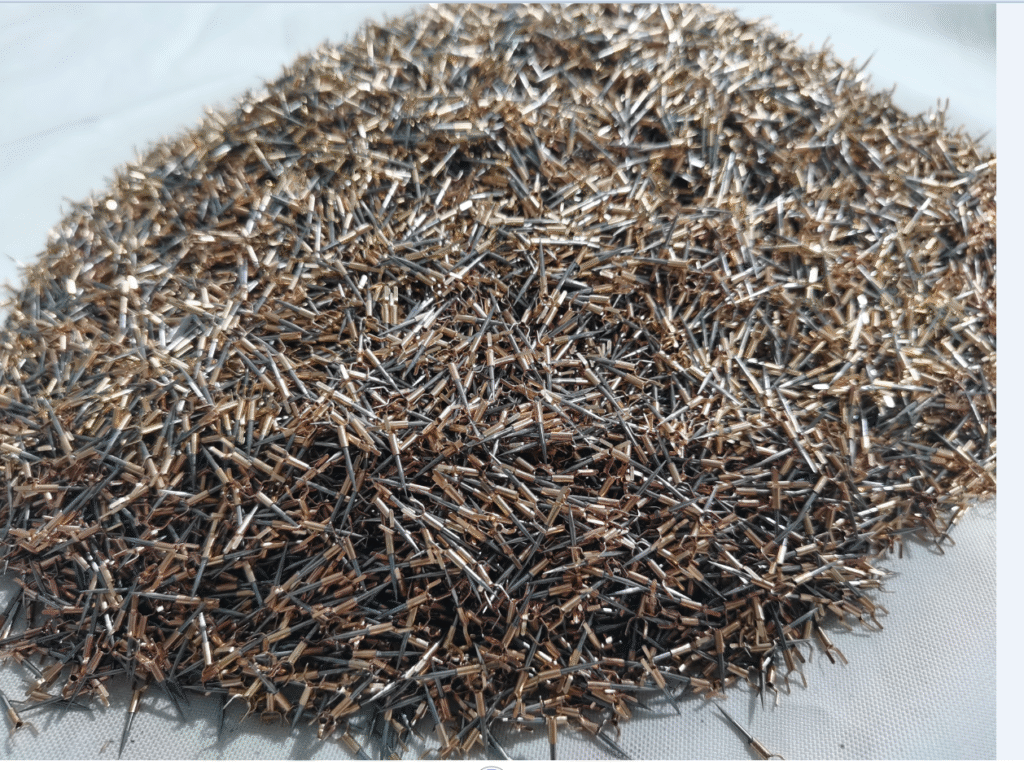
The discharge needle is a crucial component in the ion fan. In addition to being affected by contamination after prolonged use, which can impact the fan’s electrostatic removal effect and ion balance, its quality directly influences the fan’s performance. Currently, the most commonly used discharge needles are made from stainless steel and tungsten. Compared to tungsten discharge needles, stainless steel needles, although cheaper, have significantly lower wear resistance, oxidation resistance, and corrosion resistance.
The operating environment of the discharge needle is relatively harsh. Under normal conditions, it must withstand voltages of 4kV or higher (2-3kV in high-frequency AC mode). As a result, the discharge needle has to endure large energy loads, which is the primary reason for the product’s susceptibility to damage and short lifespan.
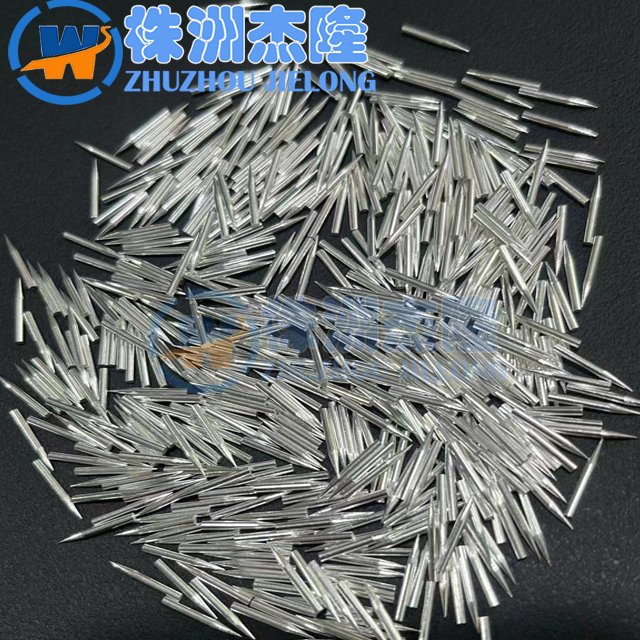
To address these issues, manufacturers are increasingly opting for tungsten, an inorganic metal, as the material for ion fan discharge needles. Tungsten is a refractory metal with a melting point between 3390°C and 3430°C. Products made from tungsten not only have excellent high-temperature resistance, wear resistance, and chemical stability, but also boast superior conductivity, high strength, large hardness, no radioactivity, and a more eco-friendly profile.
Thus, compared to stainless steel needles, tungsten needles are more suitable for use as discharge needles. They not only ensure a longer service life but also improve the fan’s electrostatic removal performance, thereby effectively enhancing work efficiency. It is also worth mentioning that discharge needles can be made from other materials such as germanium, nickel, and titanium.
0 条评论